Visual storytelling gives customers a clearer picture of your business. Brand photography, video production, and consistent creative content help explain your services, show your work, and connect your website with your digital marketing campaigns. For businesses in Phoenix and across Arizona, Utah, and Colorado, the strongest visuals start with a clear audience, a useful message, and a next step that is easy to find.
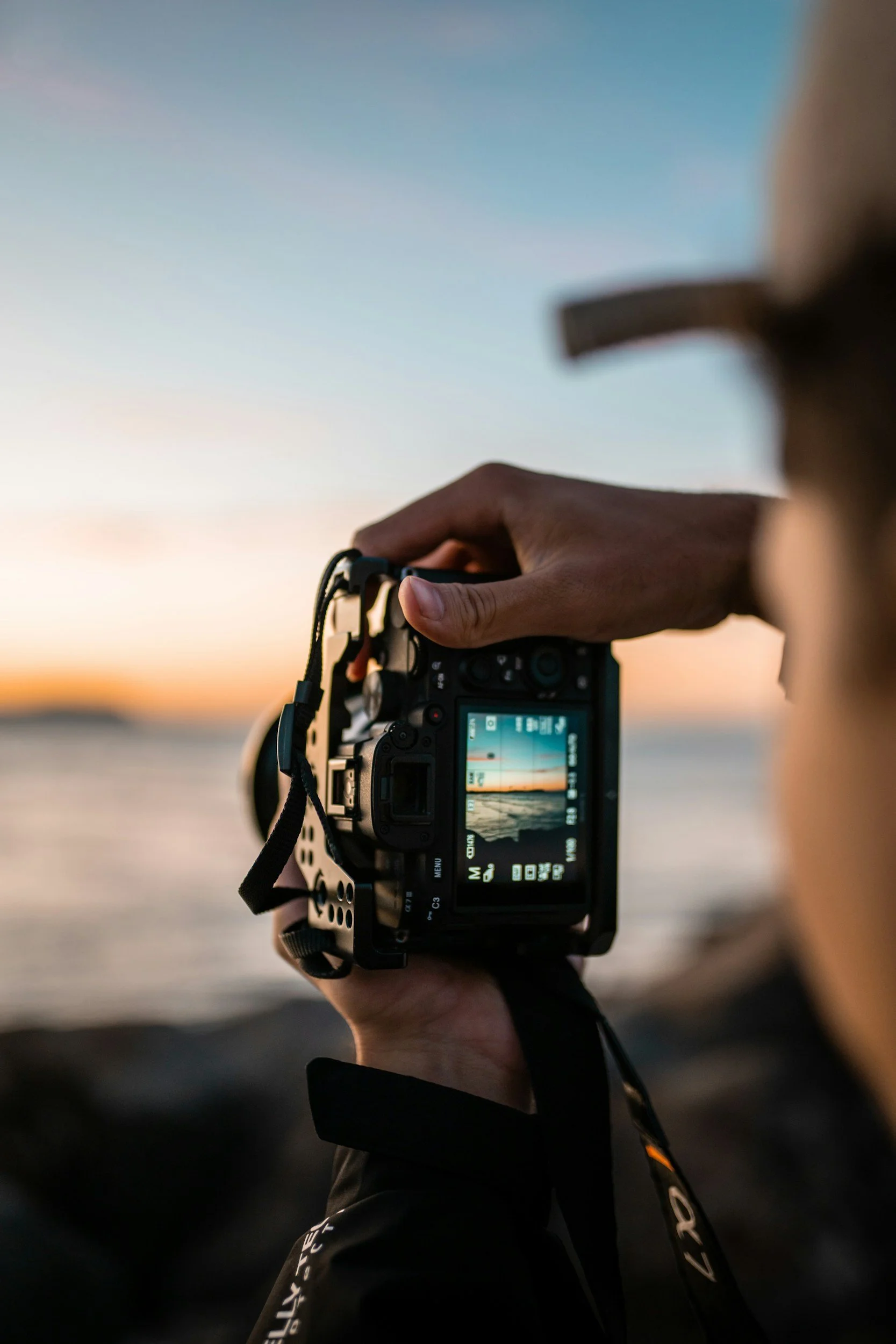
A story starts with what you choose to show. Stock photo: Bailey Mahon / Unsplash.
Start with the question your audience needs answered
Before choosing a camera angle or a video format, decide what the work needs to explain. A potential hotel guest may want to understand the atmosphere and layout. A homeowner comparing contractors may need to see workmanship and the steps behind a finished project. A buyer considering a service may want to meet the people who will deliver it.
Choose one audience, one message, and one next step for each piece of content. That gives your photography, video, and copy a shared purpose. It also makes it easier to decide what belongs in the final edit.
A useful planning sentence is: “We want [audience] to understand [message], then [action].” Use it to review your shot list before production begins.
Build a sequence that shows the experience

Show the experience. A moment of action can communicate more than a posed product shot.
A strong image can introduce a place or product. A connected sequence can explain how it feels to be there or how it works. Plan a wide view for context, a closer view of the people or activity, and detail shots that support the story.
For a hospitality project, that might mean an arrival view, a room in use, and the details that make the stay distinctive. For a service business, it could be the team preparing, the work in progress, and the finished result. Represent the actual experience honestly and obtain the permissions needed for people, locations, and client work.
Use Southwest Media’s project portfolio to explore how different subjects can shape the creative direction. The right approach depends on the business and what its audience needs to see.
Make information easy to understand
When the story involves a process, comparison, or set of results, a simple graphic may explain it more clearly than a photograph. Start with the question the graphic should answer, then remove details that do not help.
Label charts clearly, identify the source and time period, and keep scales consistent. Include the same essential information in nearby text so the message is accessible without relying on color or an image alone. Do not turn an estimate into a proven result or imply that a creative asset caused an outcome you have not measured.
Plan video around a clear beginning, middle, and next step
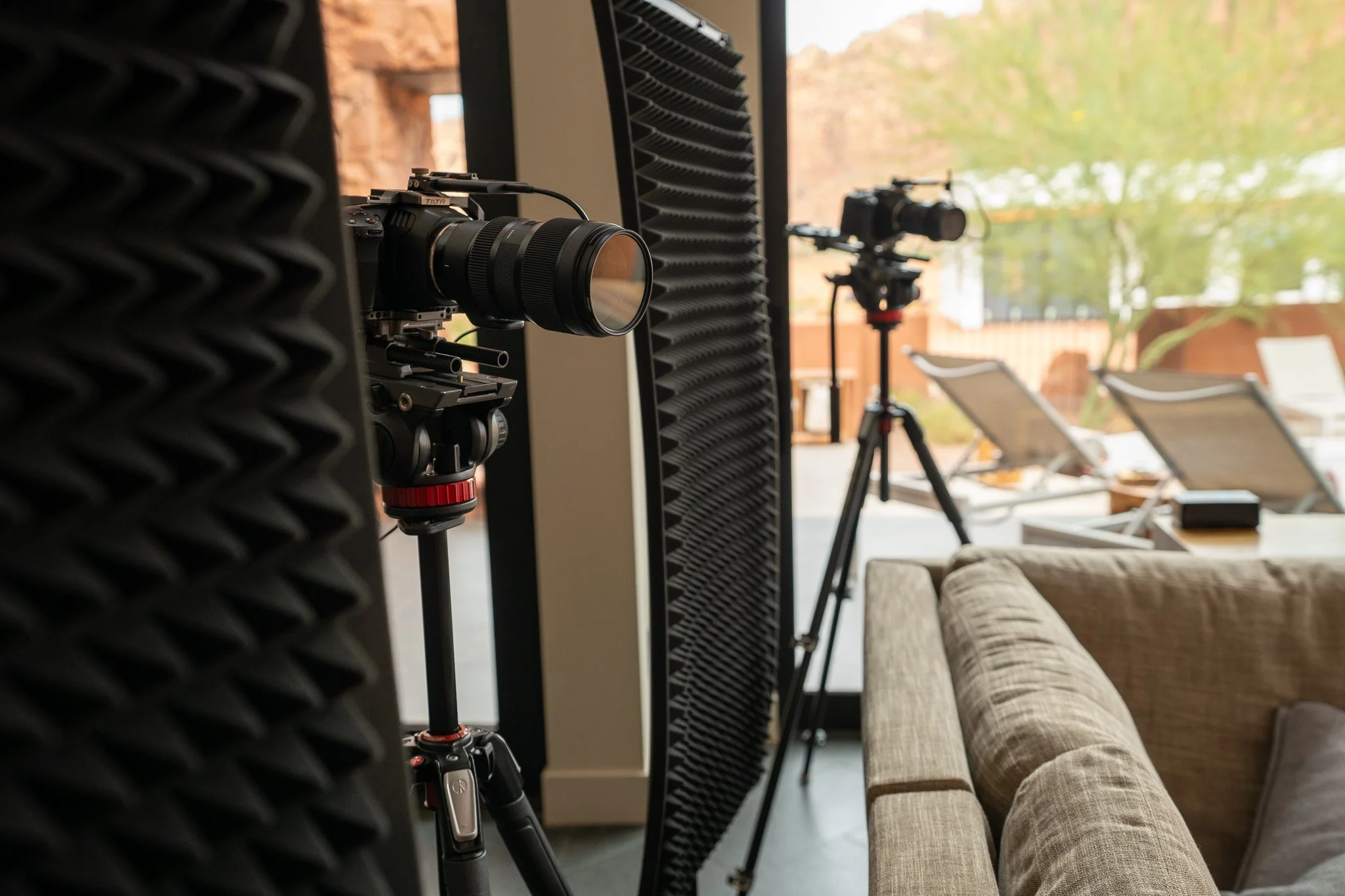
Open with the subject or question that matters to your audience. Use the middle to show the work, demonstrate the product, or explain the process. Close with a relevant next step, such as viewing a service, exploring a project, or starting a conversation.
Plan for the places the video will appear before filming. A website feature, a vertical social clip, and a product demonstration may need different framing and edits. Capture enough room around the subject for useful crops, keep key text readable on a phone, and add accurate captions when speech carries the message.
A longer shoot can produce several focused pieces when the brief includes those uses from the start. Decide which moments need a full explanation and which can stand alone as a short clip.
Connect your website and social content
Keep the subject, tone, and visual treatment recognizable across channels. Adapt the presentation to each placement while preserving the core message. A social post can introduce a question; the linked website page should provide the detail that helps someone act on it.
Check the destination as carefully as the creative. If a post invites someone to learn about a service, link to that service. If it features a project, give them a clear path to related work. Avoid making visitors search for the next step promised in the content.
Review the response against the original goal
Decide what a useful response looks like before the content goes out. Awareness work may call for reviewing reach and viewing behavior. A service campaign may need website visits, relevant inquiries, or bookings. These measures answer different questions; views alone do not establish a business result.
Compare results over a consistent period and note changes in audience, placement, budget, and season. Use the findings to improve the next brief. Where tracking or attribution is incomplete, record that limitation rather than filling the gap with an assumption.
Turn the idea into a practical creative brief
Audience: Who is the content for, and what do they need to understand?
Message: What single idea should stay with them?
Proof: Which people, details, or examples can show it honestly?
Deliverables: Where will the assets appear, and which formats are needed?
Next step: Where should an interested viewer go?
Southwest Media brings photography, video, websites, and marketing together around those decisions. Explore our services or tell us about your next project ↗.