
Video Production and Brand Photography in Phoenix: A Marketing Shoot Guide
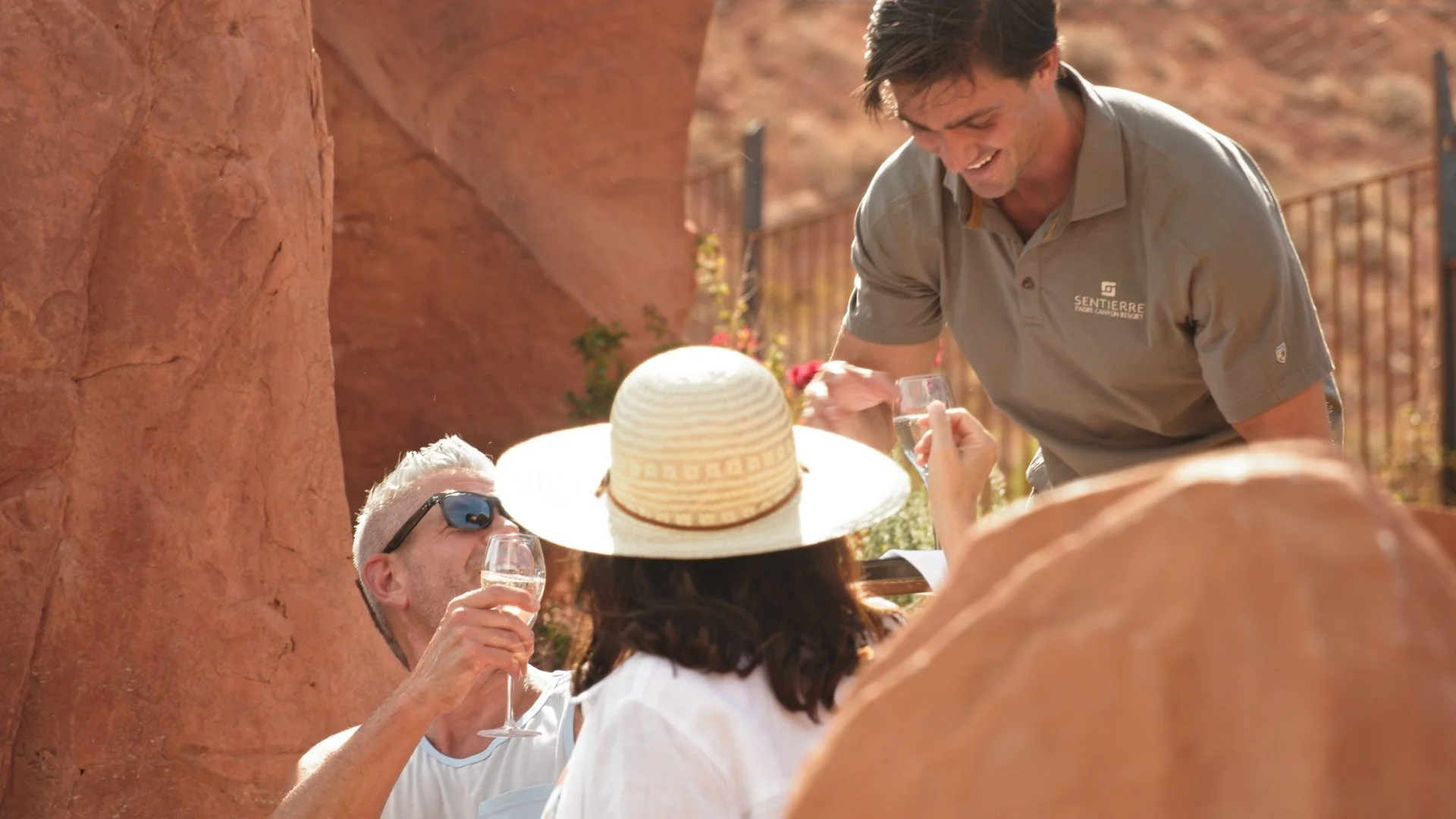
A strong marketing shoot starts with a business question: what do people need to see before they are ready to contact you? For a restaurant, that might be the food, the atmosphere, and the people behind the service. For a professional service business, it could be the team, the process, and the experience a customer can expect.
If you are comparing video production and brand photography in Phoenix, plan the two together around the places your content will appear. This guide explains how to build a useful brief, choose the right deliverables, and turn a shoot into practical marketing assets.
Start with the goal, audience, and next step
Before choosing a location or booking a camera crew, write a one-sentence brief: “We want [audience] to understand [message] and take [action].” A business introducing a new service needs different content from one refreshing its website or promoting an event.
Goal: Introduce a service, explain a process, support a launch, or help qualified customers make an inquiry.
Audience: Identify the customer and the question that matters most to them.
Destination: Name the website page, social channel, email, or advertising placement where the content will be used.
Next step: Give viewers a relevant way to explore the service, request details, or start a conversation.
Our brand strategy, digital marketing, and creative services help connect these decisions before production begins.
Video production or brand photography: which do you need?
Choose video when movement, a demonstration, or a person's voice helps explain the value. A service walkthrough, product demonstration, interview, or short brand film can show how a business works. Plan for clean audio, a focused message, and an edit that makes sense in its intended placement.
Choose brand photography when customers need to explore the details at their own pace. Team portraits, product images, location photography, and real working moments can support service pages, proposals, social posts, and campaigns.
Choose both when the campaign needs a consistent set of assets. Capturing stills and motion in one production can keep the visual direction aligned, but photography, video, lighting, and sound still need dedicated time. Confirm that both are included in the scope.
Plan deliverables before the shoot
“We need content” is difficult to schedule or price. A clear deliverables list gives the production team something concrete to build.
Website: A main image with room for a headline, supporting service photographs, and a concise video where it adds useful explanation.
Social media: Short vertical edits and portrait-oriented photographs, with important details kept clear of interface overlays.
Advertising: Variations with different opening messages or visuals, each tied to the same offer and landing page.
Email and sales: A small set of focused images and links to relevant demonstrations, projects, or service information.
Specify the number of final assets, orientation, intended channels, caption requirements, review rounds, and delivery date. A vertical crop is not always a substitute for a shot composed for vertical use.
A practical shot list for a local business
Consider a restaurant planning a website refresh and a new marketing campaign. This is an example brief, not a claim about a particular client's results:
Establish the setting. Capture an exterior, the entrance, and a wide view of the space so customers know what to expect.
Show the people. Photograph the team and film a short explanation of the experience or service.
Make the work tangible. Capture preparation, hands at work, ingredients, products, and finished details.
Answer a customer question. Show what the service includes, how it works, or what makes the experience distinctive.
Leave room for the message. Capture compositions that work with a website headline, a campaign message, or a clear next step.
The same structure can be adapted to hospitality, real estate, automotive, and service businesses. Explore our video and photography projects for examples of different visual approaches.
Prepare for a Phoenix production day
Location, light, sound, and availability shape the schedule. For an outdoor Phoenix shoot, discuss heat, shade, hydration breaks, and a backup plan with the production team. For indoor interviews, check background noise and choose a space where people can speak comfortably.
Confirm access to the location, participant availability, any necessary permissions, wardrobe or brand guidelines, and who will approve the work. Share reference images to explain the intended style, while keeping the final content specific to your business.
Connect the content to your website and search strategy
A photo or video should support a page that clearly explains your service. Use a descriptive page title, useful written information, and relevant links so visitors can understand the offer and find the next step.
Give images concise, accurate alternative text that describes what they show. Keep filenames descriptive and use appropriately sized images. Google's SEO Starter Guide recommends helpful content, descriptive titles, crawlable links, and relevant image descriptions. Adding visuals or repeating service keywords does not guarantee rankings.
Measure what happens after publication. Track inquiries and meaningful website actions alongside views and engagement, then use those observations to guide the next content brief.
What to ask before booking video and photography
Which final photographs and edited videos are included?
Who handles planning, the shot list, lighting, sound, and editing?
Are captions, alternate formats, and revision rounds included?
What usage is covered, and are raw files or project files part of delivery?
What does the team need from us, and when will the finished assets arrive?
Pricing depends on the scope: locations, crew, shoot time, equipment, talent, editing, and deliverables. Share the intended use and budget range early so the proposal can prioritize the work that matters most.
Frequently asked questions
Can one shoot produce website content and social media assets?
Yes, when those uses are planned in advance. Build the shot list around each format and allow time for both photography and video, rather than expecting every asset to work everywhere.
Do we need a finished script before contacting a production team?
No. Start with the audience, business goal, key message, and intended use. A clear brief gives the team a foundation for developing the concept, interview questions, or script.
Does Southwest Media work outside Phoenix?
Southwest Media is based in Phoenix and works with businesses across Arizona, Utah, and Colorado. Share your location and project requirements when you inquire so we can discuss the production plan.
Plan your next marketing shoot
Whether you need commercial video production, brand photography, or a connected marketing campaign, start with the result you want the content to support. Southwest Media brings strategy, creative production, and client communication together around that goal.
Discuss your video and photography project with our team. Tell us what you offer, who you want to reach, where the content will appear, and your target timeline.
